Remembering the Work Behind Ohio’s Early COVID Response
Watching health systems across several states—and worrying about my family—revealed how public investment and collaboration shaped Ohio’s response in spring 2020.
I’ve always cared about health. Today, I’m far more deeply focused on understanding our public-health systems than I was ten years ago: how they’re funded, how they work, and how government decisions shape their ability to care for us.
These midterm elections bring that change into focus. As we decide who will govern for the next several years, I find myself remembering Ohio’s early COVID response. In a crisis, leaders’ philosophies become practical decisions: what to invest in, whose expertise to trust and how to bring people together. Those choices helped shape how our communities weathered the storm.
What I followed for work became personal for my family. That experience is why I’m looking back.
During the first months of COVID, I managed healthcare customer relationships across several states. When health systems restricted vendor access, I began watching state press conferences and following emergency orders to understand what my customers faced and where my organization could help.
Across state lines, directives, resources and access to information varied. Understanding those differences helped me see where support might be useful.
On a personal level, I could shelter at home with my children, but my husband’s essential work brought him into daily contact with the general public. It was a frightening time for our family.
Our family’s safety depended on what happened beyond our front door.

Because I lived in Ohio, I watched its briefings with rapt attention. Public-health experts, elected officials and hospital leaders were discussing questions I needed answered for my customers: where pressure was building, what capacity existed and how resources could move safely.
They explained what they knew, what remained uncertain and what they were preparing to do. I could see a coordinated response taking shape.
Looking back, I wanted to understand what made that possible. The answer began with work Ohio had set in motion before the briefings.
Ohio was connecting data before COVID
In 2017, state decision-makers brought together 30 datasets from four state agencies to better understand infant mortality. The Public Health Informatics Institute’s account documents how that project accelerated the Department of Health’s data modernization and helped lay the foundation for the InnovateOhio Platform.
Connecting information across programs helped teams see where support for mothers and babies could be improved. The work began with a public-health problem that one agency’s records could not fully explain.
By 2019, Dr. Amy Acton was leading the Ohio Department of Health.
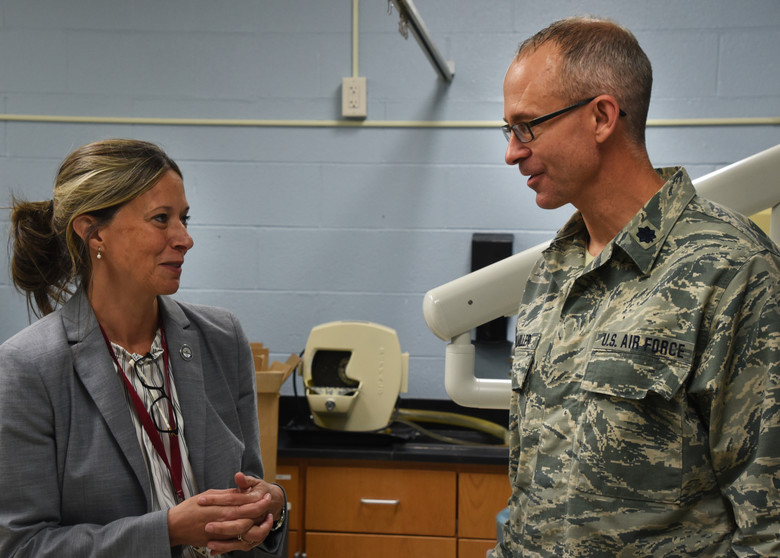
In her April 2, 2019 budget testimony, Acton cited analytics already informing infant-mortality efforts and proposed further investment in data and technology to support InnovateOhio.
The platform launched in 2019 under Governor Mike DeWine and Lieutenant Governor Jon Husted. Statewide investment supported a shared approach to data; public-health teams brought the questions and expertise that made it useful.
Agencies have to agree on what they can share, understand one another’s data and build ways to use it together. Those habits take time. Ohio had begun developing them before a pandemic made the need urgent.
To me, that advance commitment is a hallmark of leadership: investing in work whose value may only become clear in a crisis.

The Decisions Behind the Podium
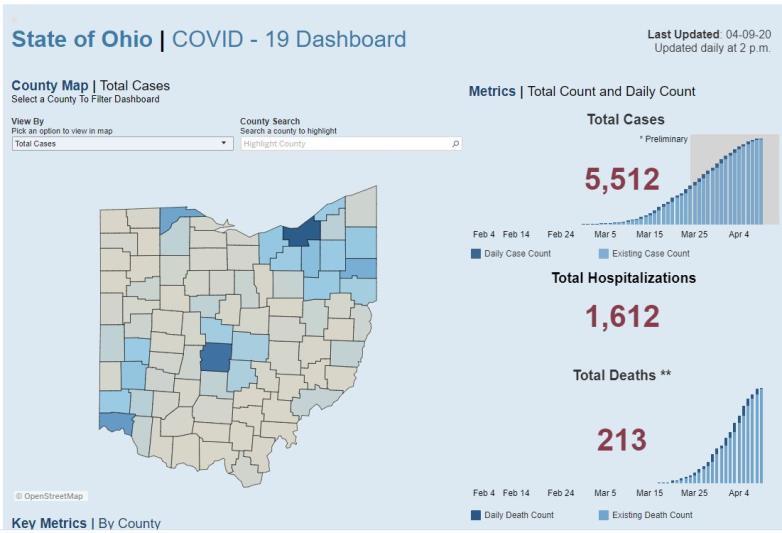
When COVID arrived, Ohio’s public officials needed answers fast to coordinate the emergency response. The PHII account describes teams working across separate databases, multiple logins and manual processes. Bringing relevant COVID data onto the platform gave them a common place to work and allowed reporting to be automated.
A shared view of the data helped teams address urgent questions. Where was demand rising? What capacity was available? What would hospitals need in the coming days and weeks?
In the daily briefings, I watched DeWine, Husted and Acton discuss emerging evidence, hospital capacity and preparations with health-system and public-health leaders. Even amid uncertainty, they explained how the evidence informed their decisions.
For someone supporting healthcare customers, a forecast of rising demand raised immediate questions about beds, staffing, supplies and time. The briefings helped me understand what hospitals were preparing for and why action could not wait.
Collaboration had to reach the bedside
Preparing for a surge showed how public health and policy worked together. Acton and public-health teams identified health priorities. The governor’s office could use its authority and relationships to clear obstacles and mobilize resources beyond the health department.
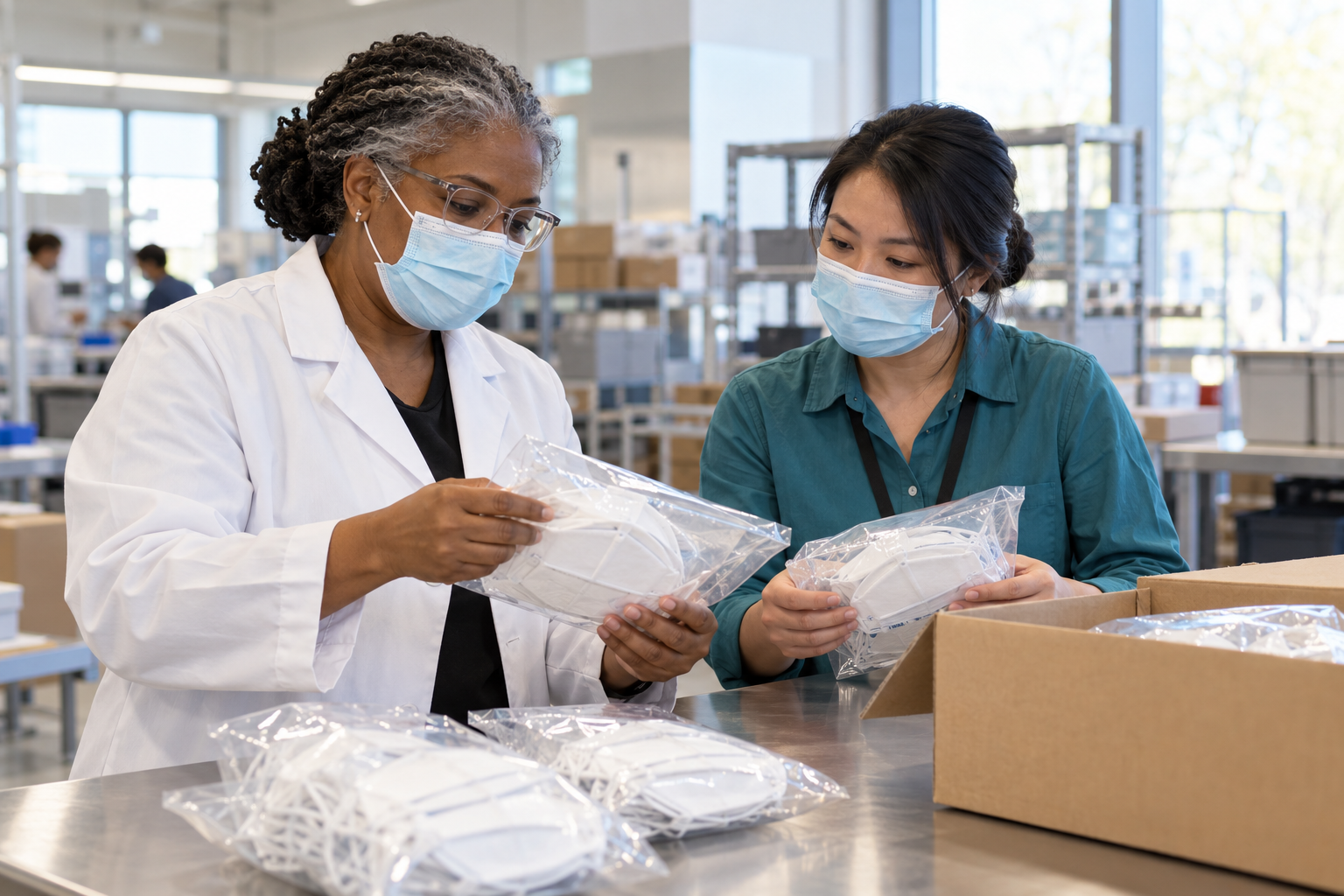
In an April 2020 interview, DeWine described calling the president when Battelle’s mask-decontamination process encountered federal authorization obstacles. His intervention helped move a technical solution toward use in hospitals.
In early April, the Ohio National Guard documented joint assessment teams involving the Department of Health, emergency management, Guard personnel and regional officials. They evaluated schools, convention centers and other buildings for possible use as alternate care sites if hospitals needed overflow capacity.
Health systems were also coordinating supplies. In a May 2020 account, Ohio State’s Wexner Medical Center described redistributing protective equipment from other university departments, collaborating several times a week with other Ohio health systems and sharing test-kit materials with hospitals in need.
Moving supplies or deploying people starts with knowing where the need is and what capacity exists. Shared information gives public-health teams, elected leaders and operational partners a basis for explaining requests and coordinating action.
From the evidence and what I watched, I believe Ohio’s investment in data capacity helped leaders make timely, informed decisions about resources.
What early action meant for care
A May 2020 JAMA study found that hospitalization growth in Ohio and three other states slowed relative to the initial projected trajectory after stay-at-home orders, while acknowledging other possible contributors. A separate modeling study associated public-health measures with declining transmission and reduced demand for hospital beds.
A slower rise in demand could give hospitals time to prepare for the people who would arrive next.

Slowing transmission and protecting access to care are ways public-health leadership saves lives. Decisions discussed at a briefing could affect whether a patient received treatment or a clinician had protective equipment.
The longer pandemic brought further surges, profound loss and continuing pressure on healthcare workers. Recognizing what worked in that period gives us something specific to learn from.
Public health reaches beyond our front door
Decisions about funding, data and coordination had once felt distant from my daily life. During COVID, I watched them shape the conditions in which my customers worked and my family tried to stay safe.
Our access to care depends on how well our public and private systems work together.
After a crisis passes, it’s easy to forget how it felt at its height. Data modernization and infrastructure rarely command the attention an emergency does. Yet investing in them before the need becomes urgent takes foresight and courage. Work that drew little attention in 2019 helped make Ohio’s response possible when lives were at stake.
I applaud the bipartisan partnership between Governor DeWine, Lieutenant Governor Husted and Dr. Acton—the preparation they supported and the leadership that turned it into action to help protect lives.
As we move through this and future elections, that is the leadership I want to remember: people who steward the lessons of a crisis into the quieter years and keep investing in our public-sector data infrastructure. Readiness depends on the work we sustain long after the urgency fades.