The VA’s Fourth Mission Is a Public Health Preparedness Investment
When emergencies strain local systems, the VA can extend clinicians, beds, expertise, and infrastructure beyond its own facilities. Modernizing that capacity before a crisis is a national preparedness imperative.
🎧 Listen to this article
Prefer to listen? Play the narrated version below.
This narration was generated using my AI voice clone assistant, built with the ElevenLabs v4 model.
The outcomes of the next public health crisis will be shaped, in part, by the systems we choose to build and maintain today.
In March 2020, I walked into the Indianapolis VA for what I expected to be a routine client visit.
The moment I stepped through the doors, I knew something was different.
A line at the welcome desk wrapped around the corner. People were being screened and asked risk-assessment questions before entering.
That was highly unusual.
We knew something was happening.
We just didn’t yet understand how much was about to change.
At the time, I was an account manager responsible for six states. My accounts included Veterans Health Administration systems, Department of Defense and military health facilities, and state public-health hospitals.
Within days, vendor access to healthcare facilities was restricted.
I decided that if I could no longer be physically present, I would find another way to support the people working inside those systems.
So I became a student of the crisis.
I followed state briefings and emergency orders. I watched how different health systems adapted. I tried to understand where my accounts sat within rapidly changing directives, where pressure was building, and where my company or I might be able to offer even a small measure of relief.
The VA Is More Than a Healthcare System
I hold special regard for the years I spent managing VA and Department of Defense accounts.
Serving the people who care for those who, through extraordinary sacrifice, protect and defend our country remains one of the greatest honors of my career.
If you’ve spent time inside Veterans Health Administration facilities, you know they are more than buildings where people receive care.
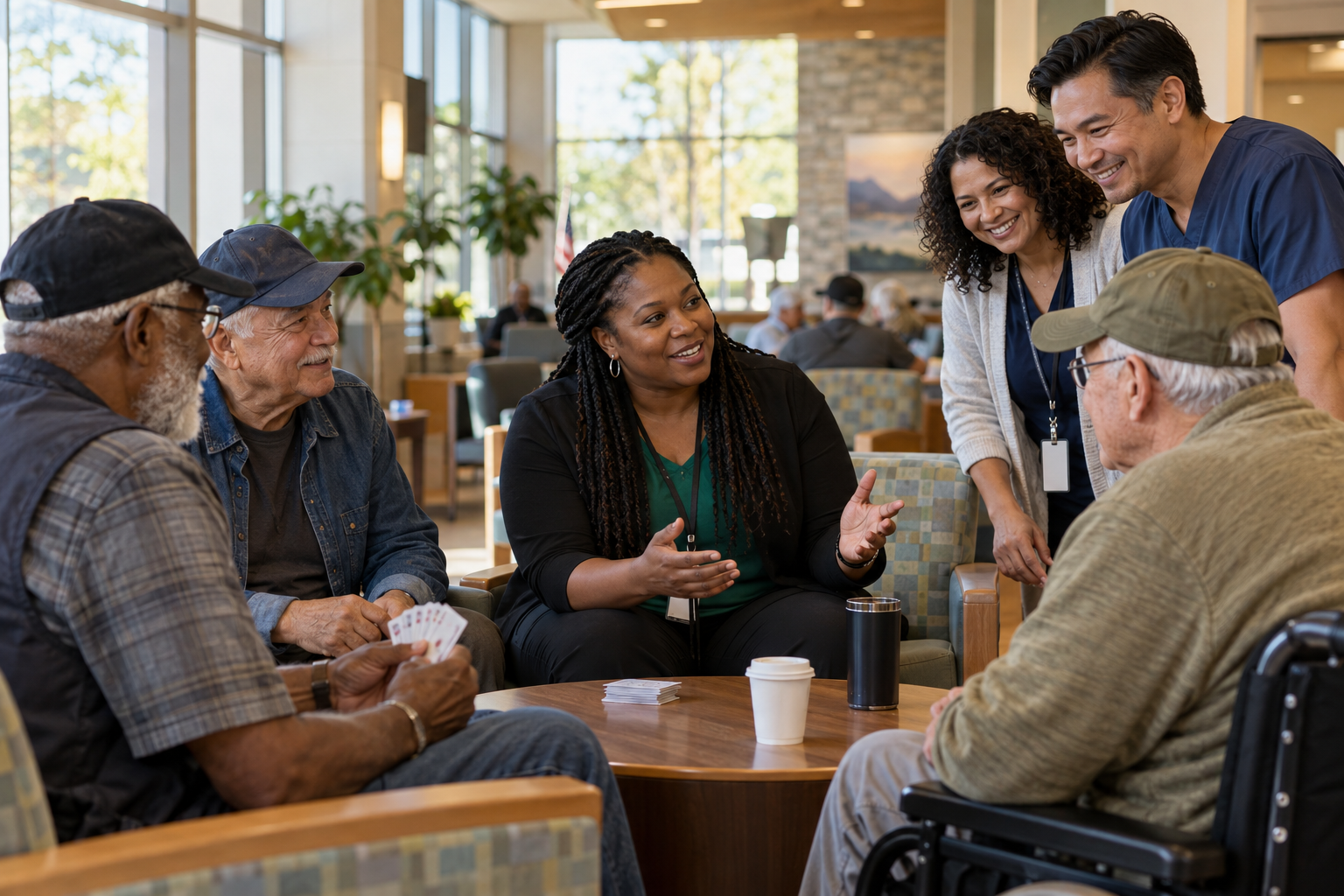
For many older veterans, they are also places of fellowship, familiarity and community. It is not unusual to see small groups gathered in a lobby talking, playing cards, swapping stories, or wearing pins and other reminders of where they served.
COVID changed that.
Keeping people who did not need emergent care out of healthcare facilities was necessary for infection control. But it also meant asking some veterans to stay away from a place that had become part healthcare system, part gathering place, part safe harbor.
Meanwhile, healthcare workers were being redeployed. Workflows were changing. Capacity had to be protected.
The Fourth Mission Extends VA Capacity Beyond Veteran Care
During that period, I came to understand the VA’s Fourth Mission more deeply.
It is more than an emergency response function waiting to be activated. The VA describes the Fourth Mission as a standing statutory commitment to improve the nation’s preparedness for war, terrorism, national emergencies and natural disasters—while continuing to serve Veterans and supporting national, state and local emergency-management efforts.
That responsibility reaches well beyond the walls of a VA medical center. The Fourth Mission makes VA a primary medical backup to the Department of Defense and part of the National Disaster Medical System, where VA can help coordinate the receipt, distribution and care of civilian and military casualties during major emergencies.
COVID made that mission visible in a way few of us had ever seen.
In April 2020, VA announced that it would make 1,500 acute-care and intensive-care beds available to FEMA for non-Veteran patients when local systems needed additional capacity. VA facilities began accepting civilian patients in communities including New York, New Jersey, Michigan and New Mexico. VA’s April 2020 Fourth Mission response
And that support extended far beyond beds.
By June 2021, the VA reported completing 150 Fourth Mission assignments nationwide. VA nurses, physicians and other staff had volunteered for more than 5,000 deployments supporting State Veterans Homes, community medical facilities and nursing homes.
Assignments included placing VA staff in community facilities, caring for civilian inpatients, and helping local governments with COVID-19 testing, vaccines and staffing.
VA’s Fourth Mission pandemic summary
That is the part of the mission I want more people to understand.
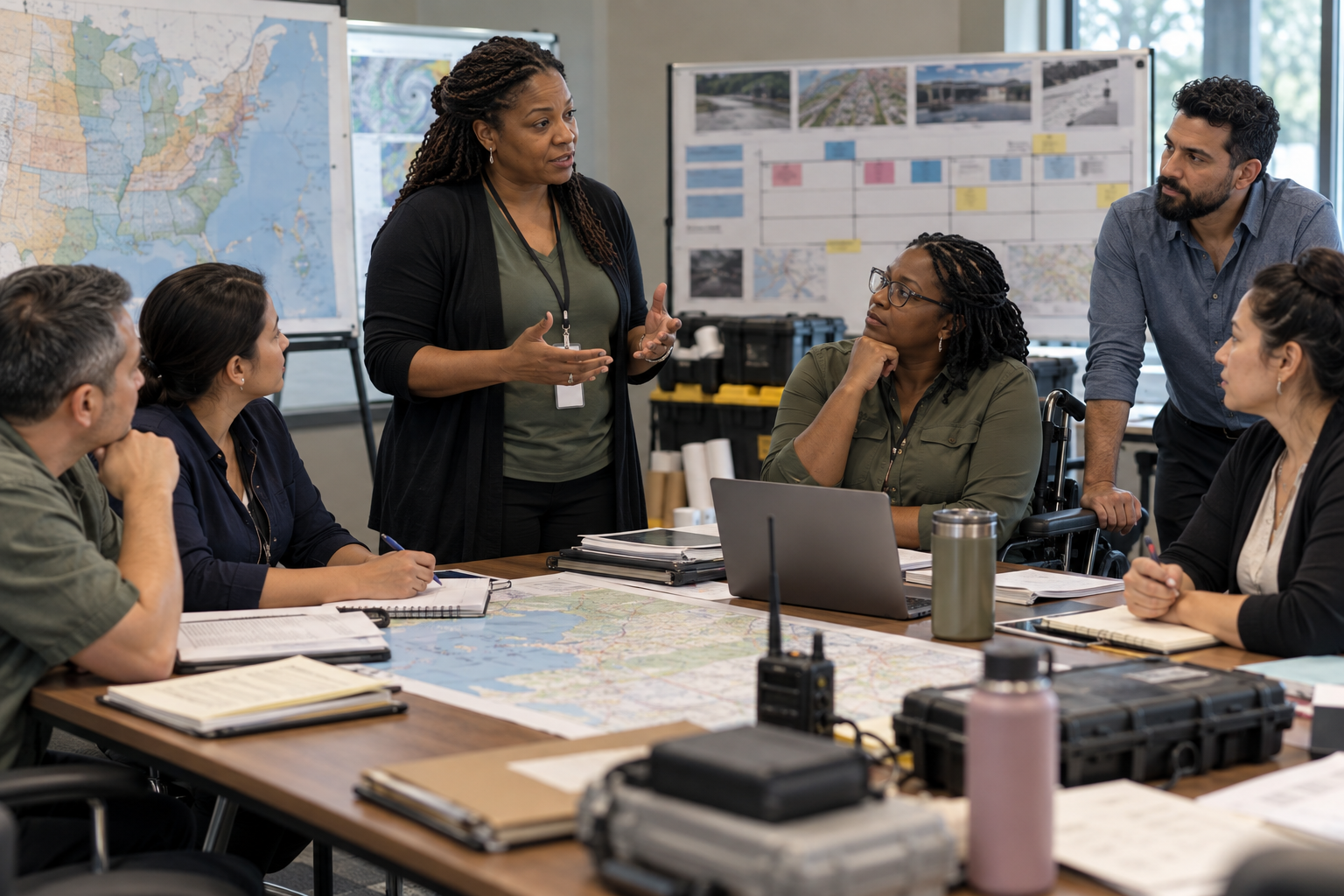
A staffed VA bed can become surge capacity for a neighboring community.
A trained VA clinician can become emergency support somewhere else.
A functioning supply chain, interoperable health record, tested workflow or usable data system inside VA can matter beyond the Veteran population when the broader healthcare system is under strain.
That changed how I saw public healthcare infrastructure.
Not as a collection of isolated facilities.
As interconnected capacity.
Preparedness Is Built Before a Crisis
That is the part I do not want us to forget now that the emergency itself feels farther away.
The capability available during a crisis is shaped long before the threat arrives.
By staffing.
By whether the technology works.
By whether data can move between systems.
By whether leaders can see capacity in real time.
By whether teams have been trained to use the tools available to them.
By whether workflows have been tested before they are needed under pressure.
None of those investments can guarantee a particular outcome. Public-health emergencies are too complex for that.
But they shape what leaders, clinicians and emergency-response teams are able to see, coordinate and draw upon when decisions must be made quickly.
That is why I continue to care so deeply about the infrastructure underneath our public healthcare systems.
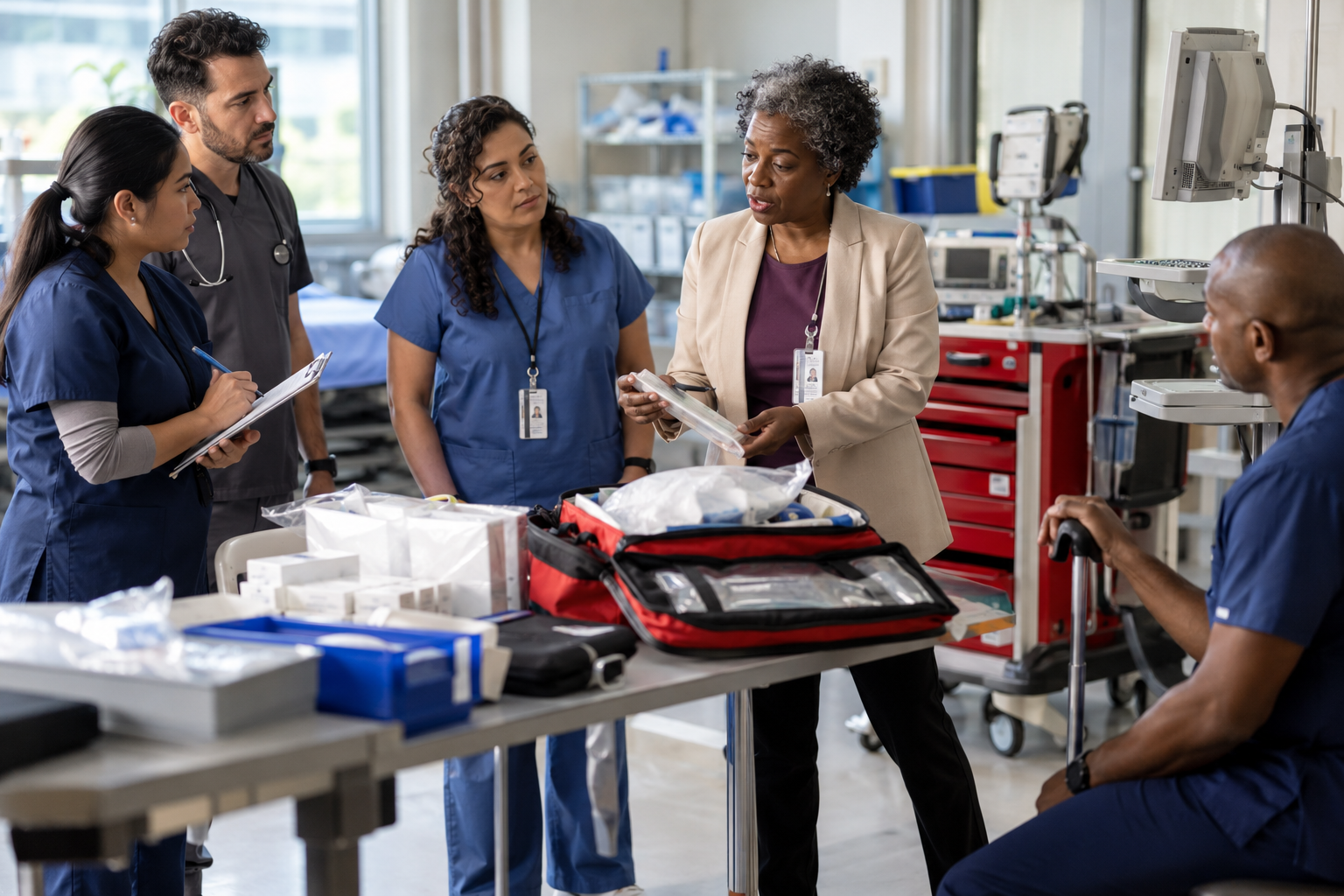
These are not simply line items, technology projects or administrative functions. They are part of the operating capacity public systems will have available when demand suddenly changes.
Because the next public-health emergency is already making its way to us. Once it arrives, our hospitals, public-health agencies, VA facilities, military health systems and emergency-response teams will have to work with whatever capacity we built for them beforehand.
And the consequences of those choices will not stay inside a budget document or an IT roadmap.
All of us will live with them, or without the presence of those we lose because of them.
Modernization Is How Readiness Gets Built
There are encouraging signs that this work is continuing.
- In January 2026, VA announced a record $4.8 billion FY2026 investment to modernize, repair and improve healthcare facilities, including $1 billion for electronic health record modernization and related facility preparation. VA announcement
- VA is also accelerating deployment of the Federal Electronic Health Record, designed to improve information exchange across VA, the Department of Defense and other federal partners. In June 2026, the system went live at four additional sites in Ohio and Kentucky, affecting more than 107,000 Veterans and 7,200 VA clinicians and staff. VA EHR deployment update
- The Military Health System’s current Digital Transformation Strategy explicitly prioritizes investment in digital infrastructure, development of a digitally competent medical workforce, interoperability, data-driven decision-making and training. MHS Digital Transformation Strategy
- DoD’s FY2025 health-technology review reported continued optimization of MHS GENESIS, new telehealth capabilities across garrison facilities, additional EHR capabilities and upgrades, and expansion of tele-critical-care support. Defense Healthcare Management Systems FY2025 Year in Review
Those are investments worth paying attention to—not because technology is the story, but because readiness is.
The systems are quiet when they are working.
The staffing plan rarely makes headlines.
The training exercise can look routine.
The data connection is invisible to most of us.
Until the day we need all of it at once.
That is when the investments made years earlier become the capacity available in the room.
And that is why strengthening public-health infrastructure cannot begin with the next crisis.
It has to begin long before it arrives.
📬 Get more insights from Powered To Rise
Receive updates, including new issues of The Public Health AI Brief and other insights on public health, AI, healthcare, wellness, and the systems shaping how we work and lead.